
In the Spotlight: Pixie, AAC User
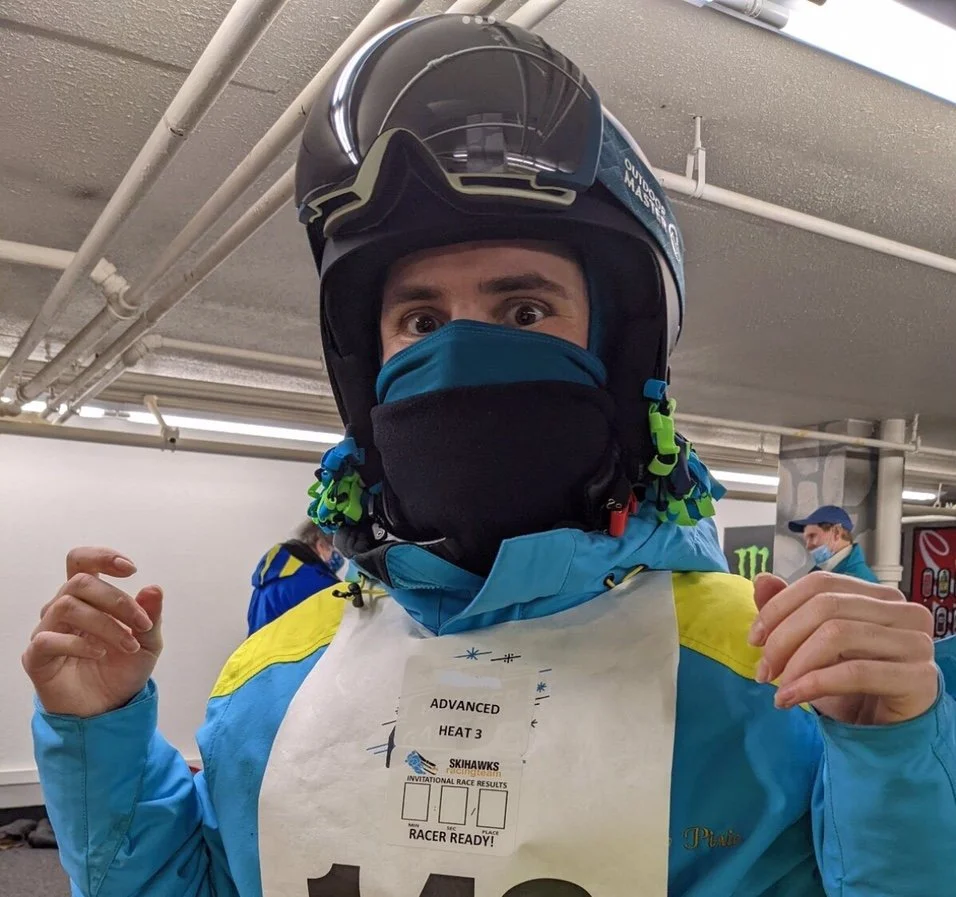
For AAC Awareness month, NWACS Board member and AAC user advisor, Pixie, shares about their experience as an AAC user. Pixie is autistic, nonverbal, and a full time symbol-based AAC user. Per Pixie’s communication preference, Pixie received and responded to the interview questions via email.
Q: What’s your favorite way to spend time with friends or family?
A: Pixie like going outside with family and friends , especially hiking kayaking picnicking walk in parks , visit zoo and Aquarium too . Everything so much easier to enjoy when Pixie be Part of social conversation . and . when people listen by waiting patiently for Pixie to say things too . Helps Pixie feel more connected and human .
Q: What’s something people might be surprised to learn about you?
A: People often surprised Pixie do alpine skiing ! and . Pixie be talented Artist have many paintings showing in local art galleries ! Pixie work hard to get better at skiing and painting and is proud of skill in both .
Also , not understand why but . many people been very surprised Pixie “still” use symbol based AAC , as if symbol based AAC is something that children are expected to out-grow . and . people seem think that Pixie should type instead . Not everybody is able to learn type words letter by letter . That get really frustrating !
Q: Can you tell me about the AAC system(s) you use now?
A: Pixie have most been using Grid Pad by smart box . Pixie also have Touch chat on iphone for backup . ( Pixie also have access proloquo2go but Pixie very very refuse even try . just not at all work for Pixie . Is good for people what like it but that not Pixie . )
Pixies speech therapist helped make laminated cards and communication boards for at beaches and other places not safe for AAC devices .
With family though , Pixie usually use “ Pixie-sign “ , mix of American sign language and home signs . because . much faster than anything else .
Q: What do you like best about your AAC?
A: Having functional AAC devices been both amazing and frustrating , but mostly amazing ! Pixie can communicate so many more ideas and thoughts ! Pixie can communicate better also because have learned so many new words Since getting access to symbol based AAC . Pixies functional vocabulary is much broader than before getting AAC , and even Pixies ability to think logically about wide range of topics also improved so much .
Q: What is something you wish your AAC could do?
A: What is frustrating is how very few people understand limitations of symbol based AAC devices , especially now when Pixies communication more complex than just 1-3 word sentences . Pixie not can use words what are not already programmed into Pixies AAC device . Pixie is generally not able to add words to AAC device Independently . especially when in conversations .
Also many many many people insist on criticize Pixies grammar “ mistakes “ instead of putting in even a tiny bit effort to understanding what Pixie trying to communicate . Is not at all easy make good grammar sentences with symbol based AAC device , if it even possible at all . It also take lots lots more time and effort , if even possible , to make better grammar . So Pixie show big difference in grammar depend on if Pixie is try communicate in person in real time . or . is doing something like blog post or email
See future blog posts for parts 2 and 3 of Pixie’s interview!
One response to “An Interview with Pixie: Part 1”
-
Pixie, this is such wonderful insight into the strengths and challenges of a symbol based system! So grateful that you took the time to share your valuable experience.



Share your comments or questions.