In The Spotlight: Kathy Smith, MSPA, CCC-SLP/L (retired), NWACS Vice President
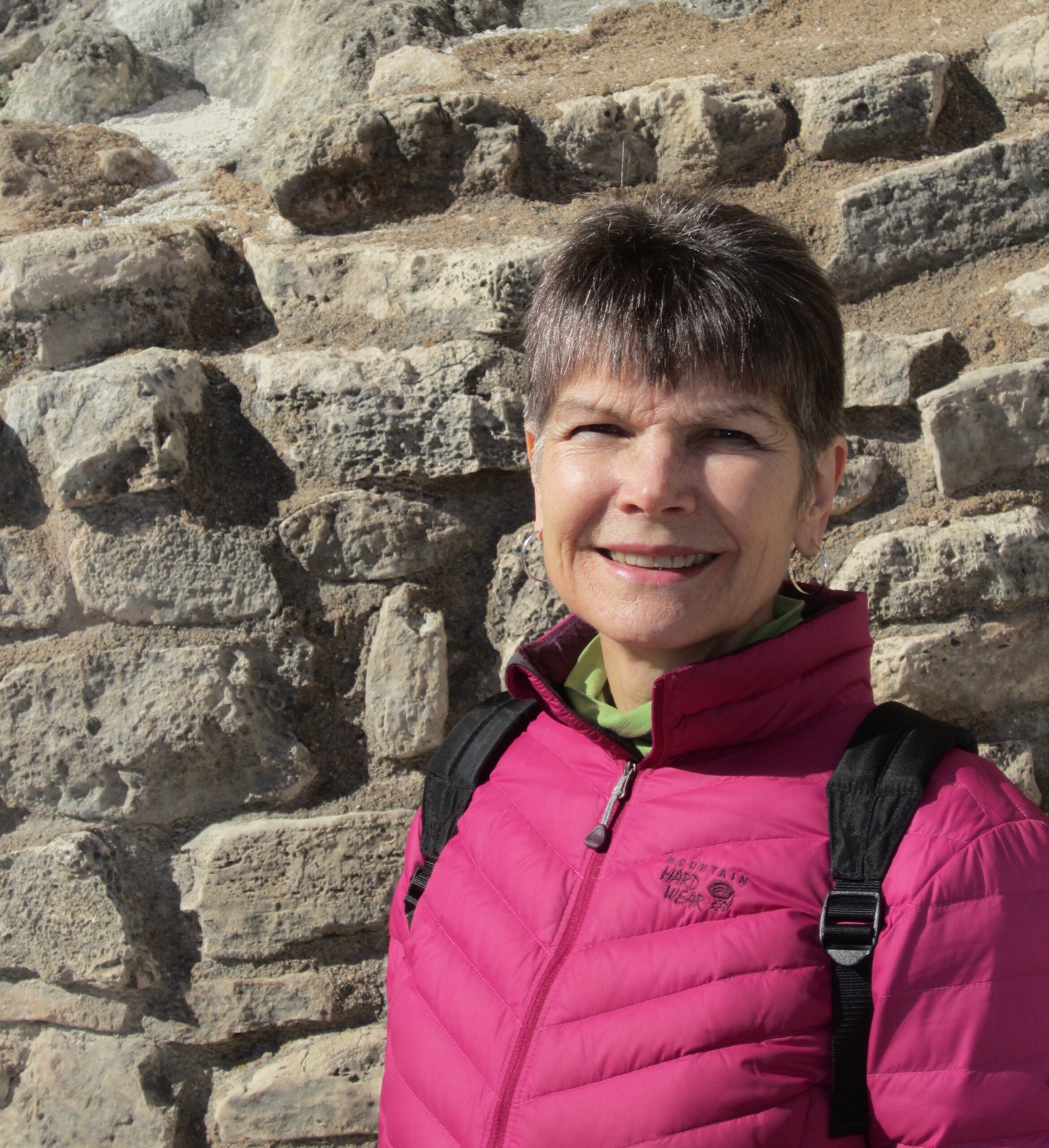
Kathy is the current NWACS Vice President and a former NWACS President, a role she served in for many years. While I currently relish the mentorship (and friendship) I receive from her, she and I were also co-workers for several years. For this installment of AAC Spotlight, I turn the tables on Kathy and shine the spotlight in her direction.
Q: How long have been an SLP? How did you find your way to AAC? What settings have you worked in? Are you still involved with the field of AAC?
A: My career began with a brief job at the University of Washington Experimental Education Unit (EEU) and Seguin School before attending one of the first AAC workshops put on by Pacific NW Non-Vocal Communication Group in about 1976. PNWN-VCG is NWACS former name. That was when I became very interested in AAC and shortly after accepted a job at UCP Residential Center, a 110-bed facility for young adults with mobility problems. Most of them needed AAC. And you can imagine what AAC was like then! Fortunately, I was able to connect with Dr. David Beukelman who was working at the University of Washington and was our expert in Seattle. I also (later) worked at the University of Washington Medical Center as the AAC specialist and, finally, at Fircrest School (Residential Habilitation Center). At this time I am retired but still support a couple people with AAC needs whom I have worked with since 1977.
Q: Tell us about one of your biggest AAC ‘ah-ha’ moments.
A: I had so many ‘ah-ha’ moments, but I would say one that I experienced early on in my career was when I was providing an electronic speech output AAC system with what I thought was very functional but limited vocabulary providing quick access to mostly phrases and words. I was excited about this new efficient system. But one of my first clients to try it quickly taught me a lesson. On a very hot day, I asked her how she felt knowing the word “hot” was a programmed word in the system. She laboriously and slowly typed, “warm.” When I asked her why she did not use the word “hot” which would be much faster, she reported that she did not feel hot. A wonderful lesson in the importance of vocabulary development!
Q: What are some of the most valuable lessons you have learned over the course of your career as an AAC-SLP?
A: I learned something from every client – so many lessons! I love puzzles. For me each client is a puzzle. So, if I don’t see success, what part of the puzzle is missing? I remember one client in particular whose puzzle just did not fit together. In researching her past services, I discovered the client had speech therapy in the schools for 2 years focused on answering yes/no questions with small improvement. Upon my recommendation, and under protest from the parents, her hearing was checked. It was discovered that she had a severe hearing loss; so severe she was not able to understand spoken language. She was not the only client I saw who had a significant sensory loss that had been undetected for many years. Something so simple yet often overlooked.
Q: Professionally, what is your most cherished memory?
A: My most cherished memory is watching people’s joy after they experience the power of their first speech-output communication system. In the early days, and after voice output intelligibility improved, I often had opportunities to see that happen – while they were waiting at the bus stop, shopping at the mall, and singing at church.
Q: Having watched the field of AAC develop from its infancy, do you have any words of wisdom to share for those in the trenches today?
A: My words of wisdom are to ‘keep plugging away’ – and in so many ways. We need to help people with AAC needs get more funding for AAC training; access to AAC equipment including funding for repairs; as well as access to rehab engineering services when needed.
Thank you, Kathy, for relinquishing the reins momentarily and allowing me to interview you for our AAC Spotlight series!