
Our 2026 Theme is Joy and Connection in AAC. We know there are real challenges to face. We also believe there is hope. Together, we can face the challenges. Through joy and connection, we will help build a stronger, more resilient community. There are many ways to support joy and build connection. Each month in 2026 we will feature one. In July, we highlighted AAC and Independence.
July Roundup
In July, we highlighted AAC and independence. Independence comes in many forms but it is crucial for AAC users. Autonomy in communication means being able to express your own thoughts, needs, and personality.
It is also important to remember that everyone depends on others. No one communicates completely on their own. Communication always involves more than one person. Some AAC users work toward being more independent communicators. Others will always need some level of support, and that is completely okay. All communication deserves to be accepted and respected, not judged or dismissed. Autonomous communication, communication that reflects the user’s own voice and choices, is the real goal.
Scavenger Hunt: July Edition!
Throughout the year, we will go on the hunt for theme-related words in our AAC systems. Because words matter!
Can you find the word FLAG in your AAC system? Where is it located? How many taps to get there? Is it a geography word, or is it under a category like holidays, symbols, or Fourth of July?
Can you find power words and/or phrases to talk about personal independence? Like “I can do this!” Or “I am capable.” “Treat me with respect.” Or even TRY, FAIL, LEARN. It is important to have words to advocate for autonomy!
Related Content from the NWACS Website
Communicative Competence
Communication is more than words. It is a whole set of skills that work together to get a message across. These skill areas make up what we call communicative competence. Every AAC user deserves support in growing them all. Growth in these skill areas supports development of autonomy and independence!
Communication Bill of Rights
AAC users deserve to learn about their communication rights. Knowing their rights sets them up to advocate for themselves! Knowing their rights empowers AAC users and supports becoming autonomous and independent.
AAC and Self-Advocacy
Self-advocacy is a cornerstone of autonomy in communication. AAC users need both the language and the opportunity to speak up for themselves. AAC users need the words to express preferences, refuse and reject, describe their emotions, and report what has happened to them. They need language. And they need access and opportunity to use it.
Let’s Build Strong Support Systems
This blog post explores the concepts of independence and autonomy as related to communication.
New Research Summary: What Makes a Person Accessible? (summary)
The full article by Kirby et al. explores the concept of accessible people. We are reminded of the importance of interdependence. AAC communication partners can become more accessible by demonstrating interdependence. Communication is a balanced exchange of give and take!
New Blog Post: Seeing the Person in Front of Us
Robust communication systems allow the AAC user to use the exact words they want when communicating. Robust communication systems can be seen as allowing the AAC user to be more independent. This blog post reminds us that not all AAC users will use robust communication systems. They still deserve to be heard. And they can achieve autonomy if communication partners are willing to meet them where they are at and build respectful relationships.
New Blog Post: An Interview with Morgan Brewer
Morgan shares her thoughts about being an AAC user in a world that prioritizes spoken language and independence.
Exploring the Idea of Independence
Speech is Simply Exhausting (corbin, 2024)
In this webinar, endever* challenges the idea of independence. They connect self-determination to joy, purpose, and the reality that every person is interdependent.
Freedom to Communicate: How Independence Day Reminds Us Why Every Voice Matters (AAC Plus blog)
This article by Lisa Whaley on the AAC Plus blog reflects on how the First Amendment’s promise of free speech has not always been fully accessible to people who communicate differently. And how far the AAC community has come.
Autonomy And AAC Through The Lens Of Self-Determination Theory (AAC Language Lab blog)
In this article on the AAC Language Lab blog, Stephanie Fassov reflects on autonomy through the lens of Self-Determination Theory. This theory identifies three psychological needs that drive human growth: autonomy, competence, and relatedness. Steph writes: “Autonomy in AAC is not optional. It is essential.” (If you love what Stephanie had to say here, make sure you register for our annual conference where she will be a featured speaker!)
AAC Connection and Autonomy (PDF from Therapist Neurodiversity Collective)
This free one-page resource compares two models of teaching AAC. It compares a Compliance Model with an Autonomy/Connection Model. The PDF is linked under Free Neurodiversity Printables on the Therapist Neurodiversity Collective website (near the bottom quarter of the list).
When YouTube Becomes a Voice: Rethinking Communication Through Arthur’s Lens (Bambino Therapy blog)
Teslin Joseph shares how her son Arthur uses YouTube videos, songs, and other digital tools to express complex ideas and participate in learning. Teslin writes about letting go of the idea that there is “one true way” to be human. And about shifting from a focus on the AAC device to what she calls Creative Multi-modal Communication. She draws on the work of self-advocate Cal Montgomery. Cal describes technology as an extension of the body, not just a tool.
Autonomy means honoring how each person chooses to communicate. It is not about shaping their communication into what is familiar or socially expected.
When He Said “Cupcake”: A Lesson in Agency, Not Appetite (Bambino Therapy blog)
Teslin Joseph shares how supported communication and co-constructing messages support agency and communication in even difficult moments. Teslin writes: “AAC isn’t just about naming things; it’s about connection and trust in real-life moments – even the difficult ones.”
All Our Voices: Showcasing the Diversity of AAC (YouTube video from CommunicationFirst)
This powerful compilation shows that AAC independence looks different for every person. Eight communicators. Eight different access methods. Every one of them independent, and every one of them interdependent with the tools, partners, and communities that make their voices heard. This is what AAC and Independence really looks like.
AAC for People with Aphasia (Smartbox blog)
AAC for people with aphasia is often viewed as a last resort, or dismissed entirely if someone cannot use a device fully on their own. But autonomy in communication is not the same as independence. Success looks different for every AAC user. In “AAC for People With Aphasia,” Kate Laws and Kate Reader walk through what meaningful AAC success can look like.
Stories Shared
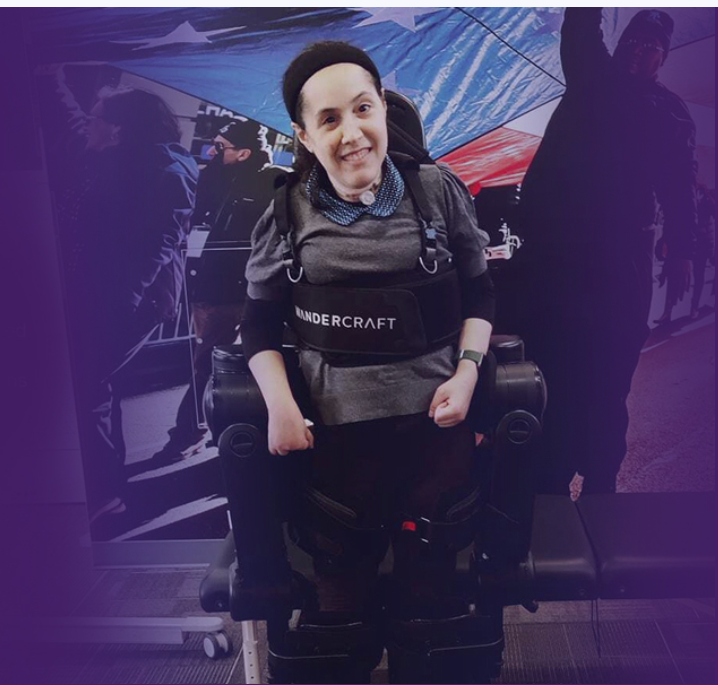
Esther Klang
“Augmentative and alternative communication has enabled me to create and maintain an accessible, professional, and visually pleasing website that is allowing me to establish a professional presence. Whether by using Voiceitt or by typing on my keyboard, AAC enables me to maintain a website that I am proud of!”
This is autonomy in action. AAC is not just a way to meet basic needs. It is what allows Esther to run a professional website, write blog posts, coordinate a conference, and shape her own career and voice.
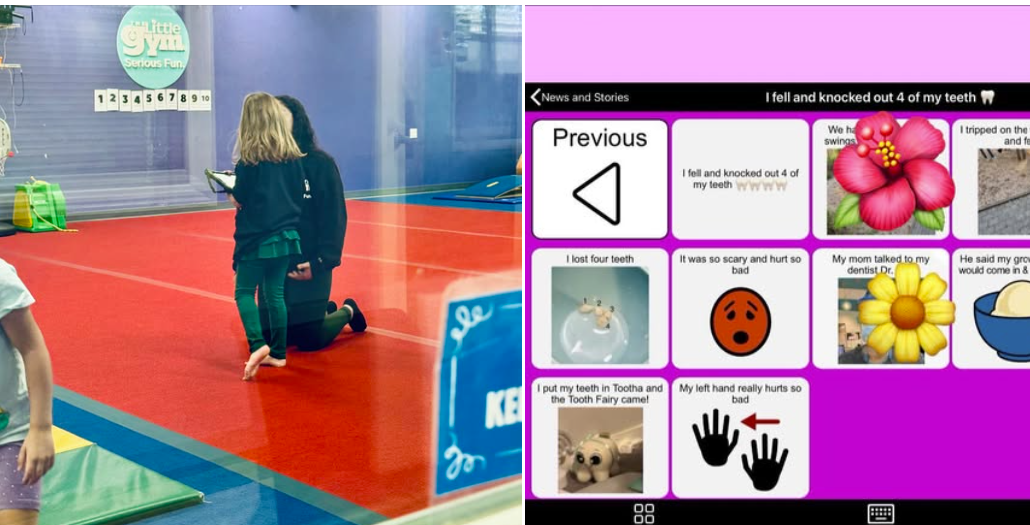
Cass Griffin Bennett
Cass’s daughter, H, used her AAC device to explain to her Little Gym tumbling instructor why her left arm was sore. She had tripped, lost four teeth, and hurt her arm.
In Cass’s own words: “Could I have swooped in to explain? Sure. But this gives her more independence and the ability and confidence to have those interactions herself while mom stays with the rest of the parents and doesn’t cramp her style, and that’s truly priceless.”
Autonomous communication is not just about the words on the device. It is about the space we give AAC users to speak for themselves.
Autonomy Over Independence
“I didn’t make it that far on my own. I mean, to accept that credit or that medal, would discount every single person that has helped me get here today, that gave me advice, that made an effort, that lifted me up when I fell. And it gives the wrong impression that we can do it all alone. None of us can. The whole concept of the self‑made man or woman is a myth.”
Arnold Schwarzenegger
University of Houston commencement speech, 2017
Being able to do things (like communicate) on your own is great. Independence isn’t necessarily bad. It becomes problematic when it is the only measure of success Or when we prioritise one way of communicating as the “best” way. Being able to convey your intended message is so much more important than the way you communicate it.




Share your comments or questions.