
“Self-advocacy and self-determination include the abilities to select personal goals, plan steps toward goals, asses one’s progress, make choices, and self-monitor and self-evaluate one’s behaviors (Wehmeyer, Palmer, Agran, Mithaug, & Martin, 2000; Wehmeyer & Sands, 1998). . . . Unfortunately, youth with significant intellectual and developmental disabilities often lack the opportunity to participate in the decisions that affect them on a daily basis (Thoma, Rogan, & Baker, 2001).”
Kleinert et. al (2010)
What are we talking about?
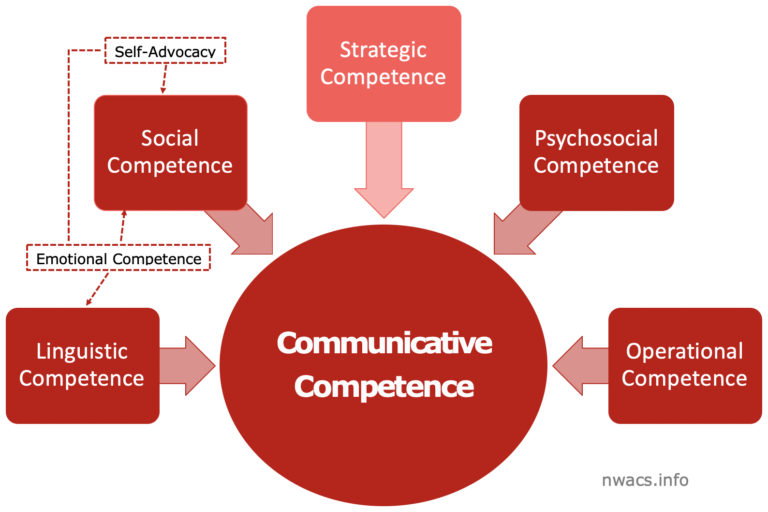
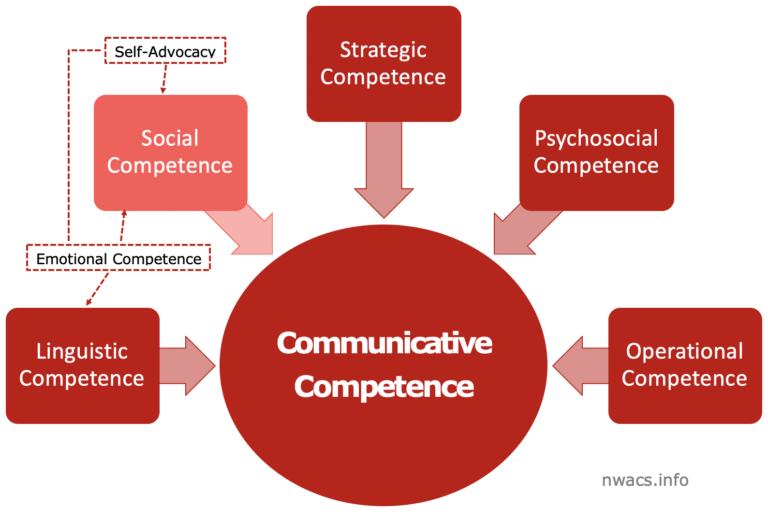
Self-advocacy is being able to speak up for oneself. It is being able to make decisions about one’s own life. It is learning information so that one can understand things that are of interest. It is knowing one’s rights and responsibilities. It is taking part in problem-solving. It is reaching out to others when one has a need. People with self-advocacy skills are more likely to do well in school, work, and life. Self-advocacy skills are important to health and safety.
There are four parts to becoming an effective self-advocate:
- knowing yourself
- knowing your needs – such as interventions, accommodations, modifications
- knowing your rights
- knowing how to get what you need
This means communication, education, and having a support system are all key to self-advocacy.
The Skills
Skills within the self-advocacy area include knowledge, use, and judgement of:
- self-awareness
- understanding self
- understanding one’s needs and preferences
- understanding one’s rights
- communication
- navigating resources
- forming and nurturing relationships
- perspective-taking
- goal-setting
- choice-making
- decision-making
- problem-solving
The Goal
The goal is self-determination. For the person to be able to speak up for themselves. To be able to make informed, authentic decisions, and be empowered to make those decisions.
Useful resources for Self-advocacy skills:
- ME! Lessons for Teaching Self-Awareness & Self Advocacy from The University of Oklahoma’s Zarrow Center for Learning Enrichment
- Project10’s Self-Advocacy & Self-Determination webpage includes a variety of resources including: assessments, curricula and courses
- Wrightslaw’s Self-Advocacy webpage includes a variety of resources
Do you have a favorite resource that we missed? Leave a comment to share!
References
- Cantley, P., Little, K., & Martin, J. E. (2010). ME! Lessons for Teaching Self-Awareness and Self-Advocacy.
- Fowler, Catherine & Wood, Wendy & Brewer, Denise & Eddy, Steven. (2005). A Conceptual Framework of Self-Advocacy for Students with Disabilities. Remedial and Special Education – REM SPEC EDUC. 26. 43-54. 10.1177/07419325050260010601.
- Kleinert JO, Harrison EM, Fisher TL, Kleinert HL. “I Can” and “I Did”—Self-Advocacy for Young Students with Developmental Disabilities. TEACHING Exceptional Children. 2010;43(2):16-26. doi:10.1177/004005991004300202
- Project10. (retrieved 2021). Self-Advocacy & Self-Determination. http://project10.info/DPage.php?ID=185
- Wrightslaw. (2020). Self-Advocacy. https://www.wrightslaw.com/info/self.advocacy.htm


Share your comments or questions.